Sample Text
Roof Deck Preparation
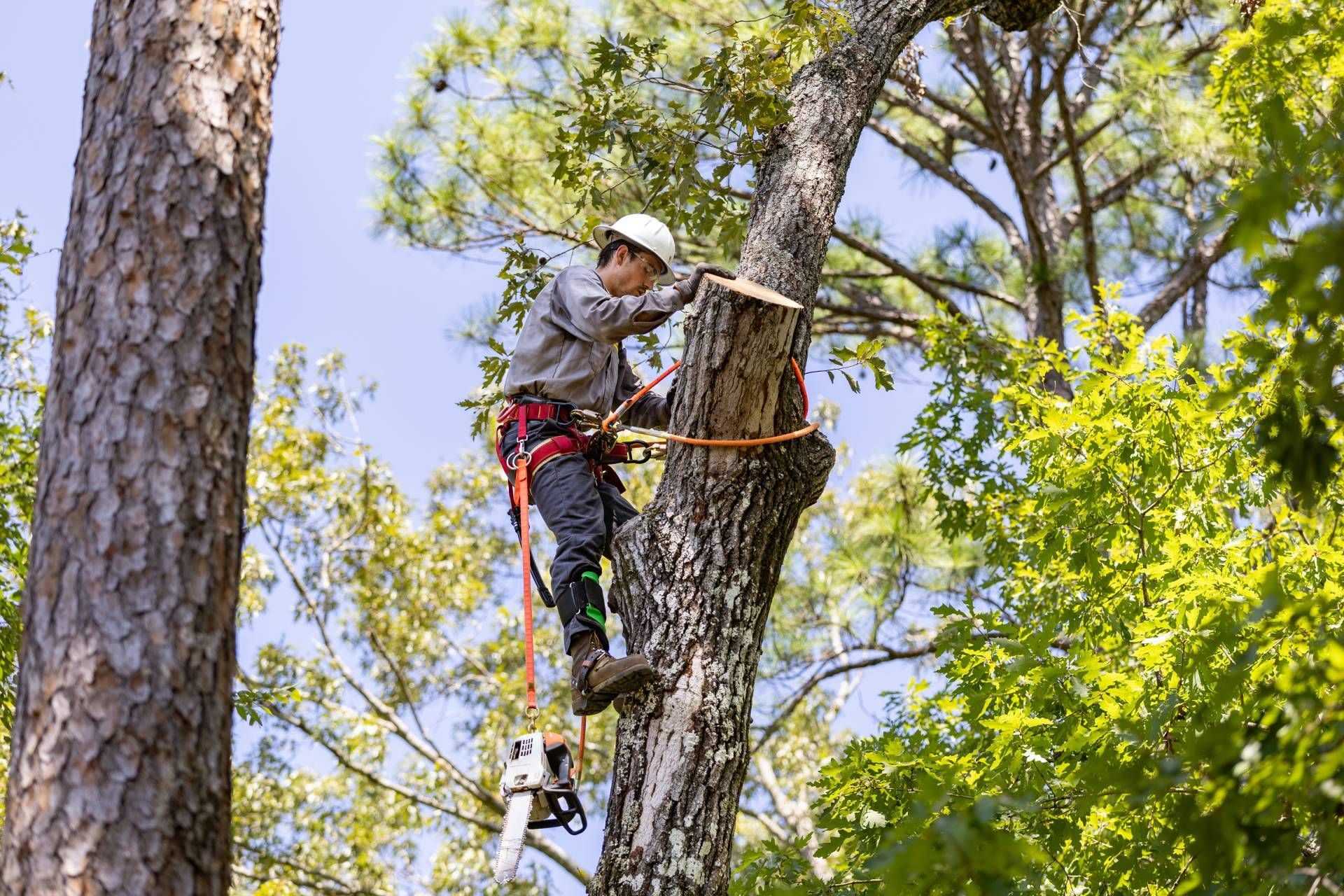
Dead, diseased, or storm-damaged trees pose serious risks to homes, vehicles, and people throughout St. Louis, MO, especially during the region's frequent severe weather events. Allen Construction and Tree Service provides professional tree removal for residential and commercial properties, safely taking down hazardous or unwanted trees while protecting surrounding structures and landscaping. Whether a tree has been compromised by disease, storm damage, or simply needs to be cleared for a construction project, our tree removal team handles the job from initial assessment to complete debris cleanup.
Request a free tree removal estimate from Allen Construction and Tree Service.
Rubber Roofing
Rubber Roof Repair
Residential Tree Removal
Residential tree removal addresses trees that have become hazardous due to disease, storm damage, or structural instability near homes in St. Louis. Our tree removal crews evaluate each tree's lean, root stability, and proximity to structures before determining the safest removal method. Careful planning during tree removal protects roofs, fences, and landscaping from damage during the process.
Dead and Diseased Tree Removal
Dead or diseased trees are prone to sudden limb failure or complete collapse, making prompt tree removal essential to prevent property damage or injury.
Leaning and Hazard Tree Removal
Trees that lean toward homes, driveways, or power lines require careful tree removal planning to control the direction of the fall and avoid damage.
Storm Damage Tree Removal
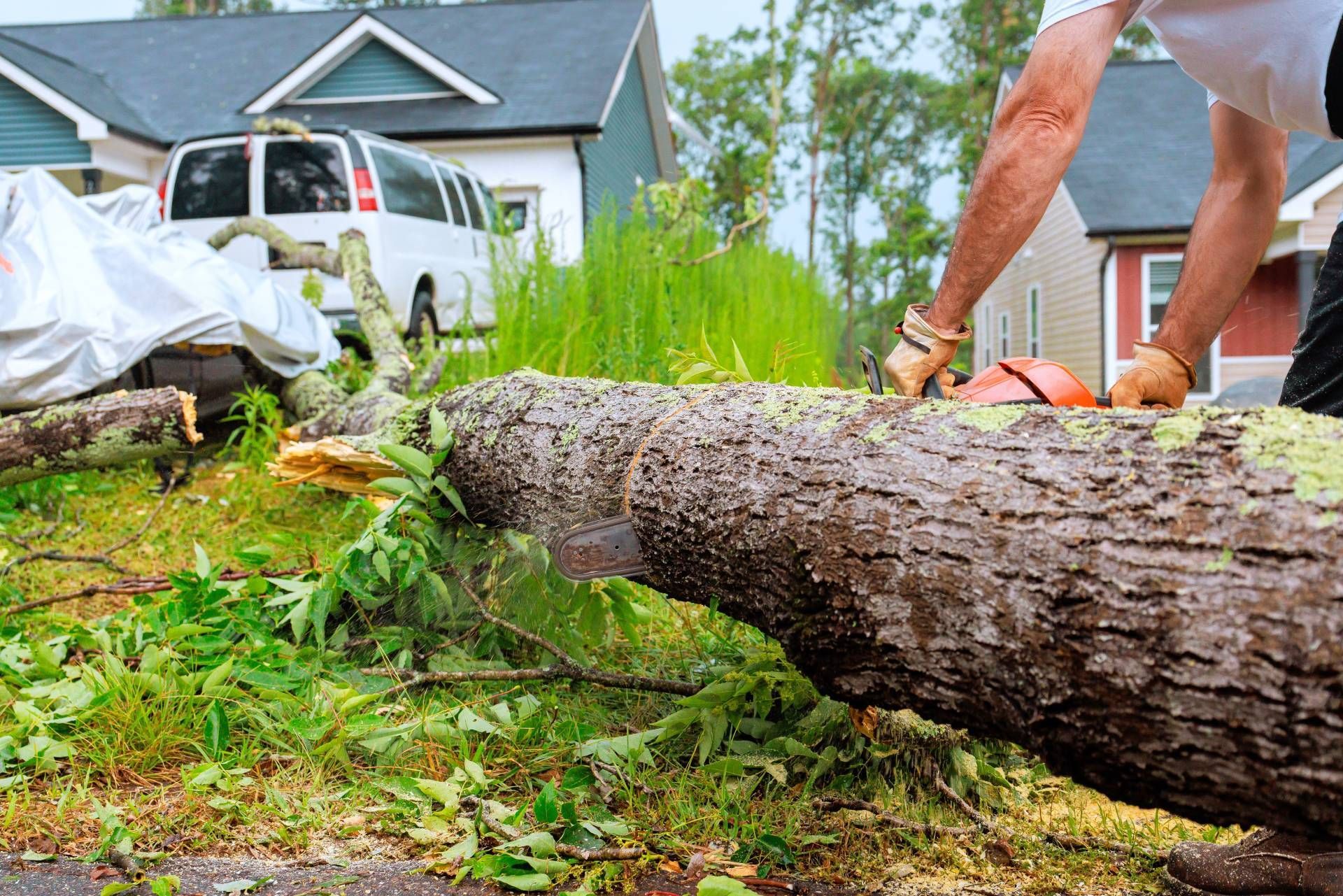
St. Louis's severe weather frequently leaves behind broken, uprooted, or split trees that require immediate tree removal. Allen Construction and Tree Service responds quickly to storm damage, removing fallen or compromised trees to restore safety and access to affected properties.
Request emergency tree removal after storm damage.
Fallen Tree Removal
Fallen trees blocking driveways, damaging fences, or resting on structures require prompt tree removal to prevent further damage and restore property access.
Split and Uprooted Tree Removal
Trees that have split or become partially uprooted during storms are structurally unstable and require careful tree removal to prevent additional collapse.
What to Expect During a Stump Grinding Appointment
Commercial Tree Removal
Commercial properties throughout St. Louis rely on tree removal services to clear hazardous trees near parking lots, building entrances, and walkways. Allen Construction and Tree Service coordinates tree removal projects around business operations to minimize disruption while addressing safety concerns.
Land Clearing Tree Removal
Construction and development projects often require tree removal across larger areas of land, clearing space for new building, parking, or landscaping plans.
Property Line and Boundary Tree Removal
Trees along property lines sometimes require tree removal due to disputes, encroachment, or hazards affecting neighboring properties.
Large and Hazardous Tree Removal
Large tree removal requires specialized equipment and rigging techniques to safely bring down trees in tight spaces near homes, garages, or power lines. Allen Construction and Tree Service uses cranes, rigging systems, and controlled cutting techniques for large tree removal projects throughout the St. Louis area.
Ask about large or hazardous tree removal for your property.
Rigging and Crane-Assisted Removal
Tree removal in tight or high-risk spaces often requires rigging or crane assistance to lower large sections safely without damaging nearby structures.
Sectional Tree Removal
Sectional tree removal involves cutting a tree down in smaller pieces from the top down, a method commonly used when a tree is too close to structures for a standard felling approach.
Tree Removal Cleanup and Debris Hauling
Complete tree removal includes cutting the trunk into manageable sections, chipping branches, and hauling away all debris. Allen Construction and Tree Service leaves the property clean and clear after every tree removal job, with stump grinding available as an additional service.
Rubber Roofing
Frequently Asked Questions
How much does tree removal cost in St. Louis?
Tree removal costs depend on the tree's size, condition, location, and accessibility, with larger or more hazardous trees typically costing more to remove safely.
How do I know if a tree needs to be removed?
Signs a tree needs removal include significant lean, large dead sections, visible root damage, fungal growth at the base, or extensive storm damage.
Is a permit required for tree removal in St. Louis?
Some St. Louis municipalities require permits for tree removal, particularly for large trees or those in protected zones, so local regulations should be checked before removal.
How long does tree removal take?
Most residential tree removal jobs are completed within a few hours to a full day, depending on the tree's size and the complexity of the removal.
What happens to the tree after removal?
After tree removal, the trunk and branches are cut into sections, chipped, and hauled away, with the option to leave firewood or add stump grinding.
Can tree removal be done near power lines?
Yes, tree removal near power lines requires specialized techniques and coordination to safely bring down the tree without damaging electrical infrastructure.
Does homeowners insurance cover tree removal?
Homeowners insurance may cover tree removal if the tree fell due to a covered event, such as a storm, though coverage varies by policy and circumstances.
What is the difference between tree removal and tree trimming?
Tree removal involves cutting down and removing an entire tree, while tree trimming involves selectively cutting branches to maintain the tree's health and shape.
Can a leaning tree be saved instead of removed?
In some cases a leaning tree can be stabilized, but significant lean combined with root damage or instability often makes tree removal the safer option.
How soon can emergency tree removal be scheduled after a storm?
Emergency tree removal is typically scheduled as quickly as possible after a storm, with priority given to trees blocking access or posing immediate safety risks.
Does tree removal include stump grinding?
Stump grinding is typically offered as an additional service after tree removal, since standard removal leaves the stump in place unless grinding is requested.