Sample Text
Roof Deck Preparation
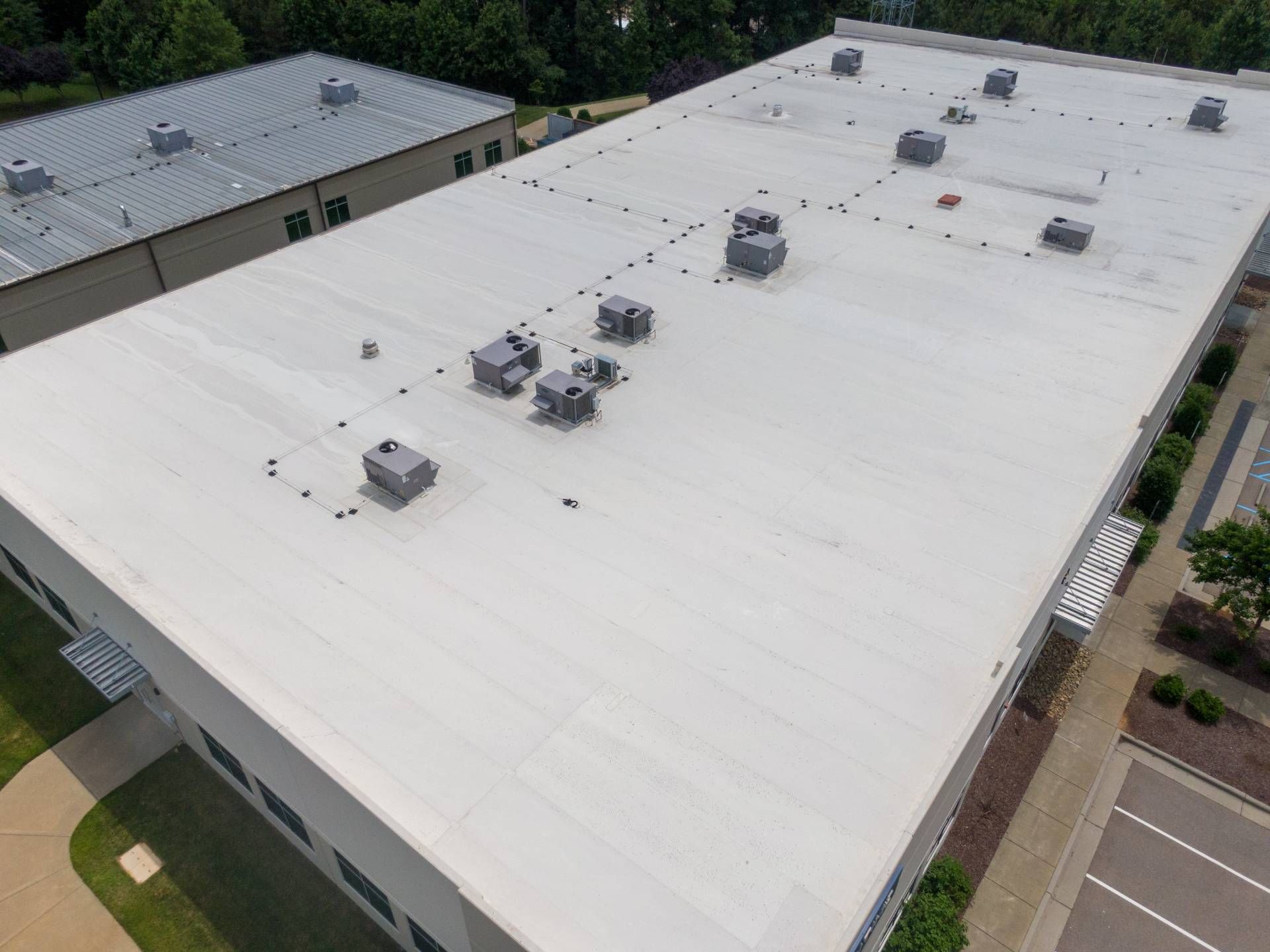
Commercial property owners in St. Louis, MO increasingly choose TPO roofing for its energy efficiency, durability, and resistance to the region's intense summer heat and heavy storms. TPO roofing, or thermoplastic polyolefin roofing, is a single-ply membrane system designed for flat and low-slope roofs found on warehouses, retail buildings, and multi-family properties across the St. Louis area. Allen Construction and Tree Service installs, repairs, and maintains TPO roofing systems built to handle Missouri's temperature swings, UV exposure, and ponding water concerns common on flat commercial roofs.
Request a free TPO roofing estimate for your St. Louis property.
Rubber Roofing
TPO Roofing Installation
A properly installed TPO roofing system starts with an assessment of the existing roof deck and insulation layer. Our team installs TPO membrane sheets using mechanically fastened, fully adhered, or heat-welded seam methods depending on the building's structure and budget. Heat-welded seams create a monolithic, watertight surface that is critical for TPO roofing performance, since seam failure is one of the most common causes of leaks in single-ply roofing systems. St. Louis's freeze-thaw cycles make proper seam welding especially important for long-term TPO roofing durability.
Mechanically Fastened TPO Systems
This TPO roofing method secures the membrane to the deck using fasteners and plates, offering a cost-effective option for buildings that can support the additional attachment points.
Fully Adhered TPO Systems
Fully adhered TPO roofing bonds the membrane directly to the insulation using adhesive, producing a smoother finish often preferred for buildings with more visible or accessible rooftops.
TPO Roof Repair
When a shingle roof in St. Louis has surpassed 20 to 25 years of age, repairs become less cost-effective than a full shingle roof replacement. Signs that a shingle roofing system needs replacement include widespread granule loss, shingles curling at the edges, daylight visible through the roof deck, or repeated leaks in multiple locations. A full shingle roof replacement removes all existing layers down to the deck, allowing our team to inspect and repair the structure before installing new shingle roofing designed to handle St. Louis's climate for decades to come.
Schedule TPO roof repair with Allen Construction and Tree Service.
TPO Roof Repair
When a shingle roof in St. Louis has surpassed 20 to 25 years of age, repairs become less cost-effective than a full shingle roof replacement. Signs that a shingle roofing system needs replacement include widespread granule loss, shingles curling at the edges, daylight visible through the roof deck, or repeated leaks in multiple locations. A full shingle roof replacement removes all existing layers down to the deck, allowing our team to inspect and repair the structure before installing new shingle roofing designed to handle St. Louis's climate for decades to come.
Schedule TPO roof repair with Allen Construction and Tree Service.
Seam and Flashing Repair
Seams and flashing are the most vulnerable points in any TPO roofing system. We inspect and reseal these areas to restore a watertight membrane surface.
Puncture and Membrane Repair
Foot traffic, HVAC servicing, and falling debris can puncture TPO roofing membranes. These punctures are patched using heat-welded material matched to the existing roofing system.
TPO Roof Replacement
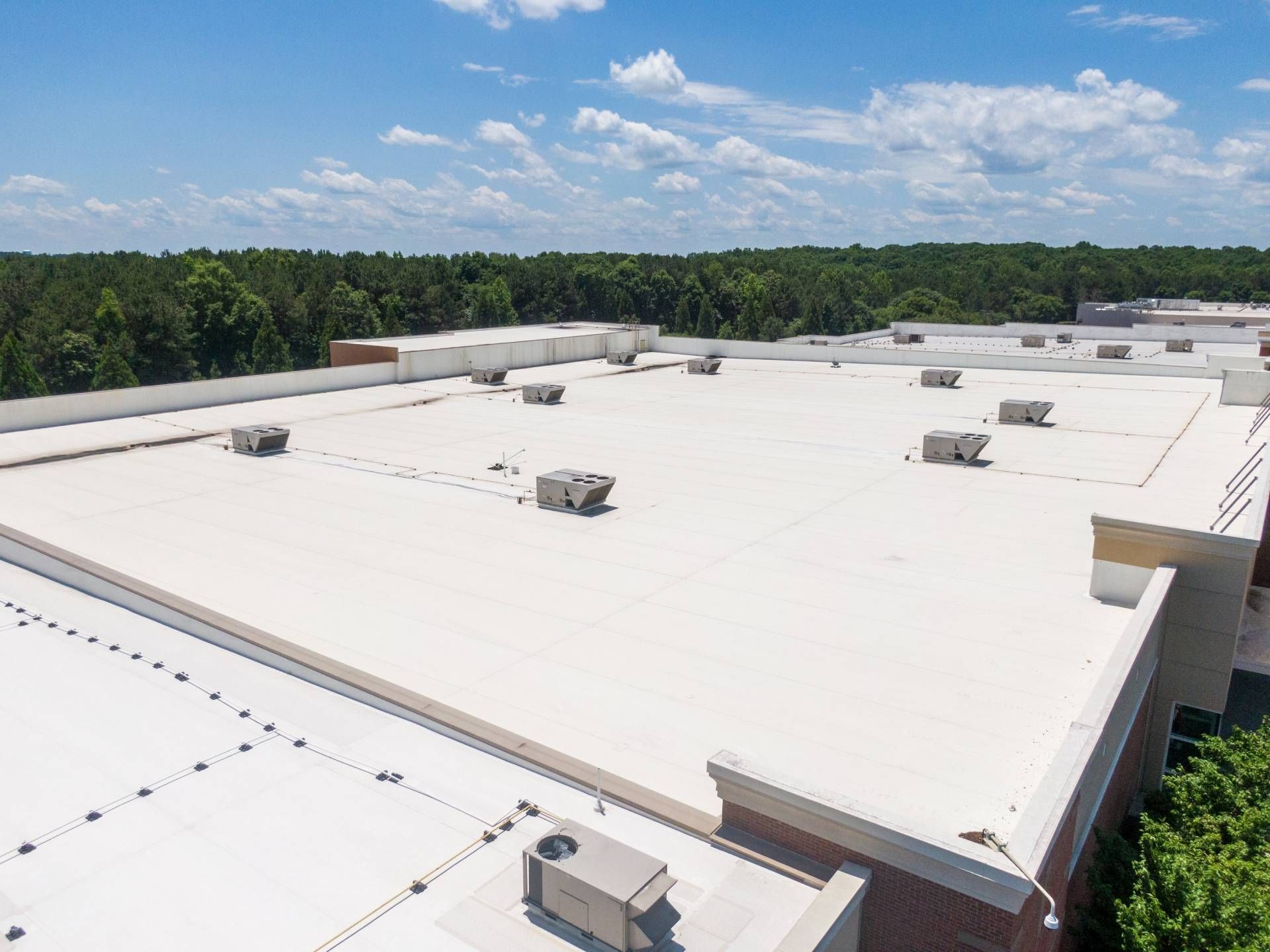
When a TPO roofing system reaches the end of its 20-to-30-year lifespan or sustains widespread membrane damage, full replacement becomes the more practical option. Our team removes the failing TPO roofing, inspects the insulation and deck below, and installs a new membrane system designed for the building's specific drainage and load requirements. TPO roofing replacement is also an opportunity to upgrade insulation, improving energy performance during St. Louis's hot summers and cold winters.
Energy Efficiency Benefits of TPO Roofing
TPO roofing's reflective white or light-colored membrane reduces heat absorption, which helps lower cooling costs for commercial buildings throughout St. Louis's warm months. This reflective quality is one of the primary reasons TPO roofing has become a preferred choice over darker single-ply alternatives for flat commercial roofs in the region.
Reflectivity and Cooling Costs
TPO roofing membranes reflect a significant portion of solar heat, reducing rooftop surface temperatures and easing the load on HVAC systems during peak summer months.
TPO Roof Maintenance
Routine inspection and maintenance extend the service life of TPO roofing and help catch seam separation, membrane wear, or drainage issues before they cause leaks. Allen Construction and Tree Service offers scheduled TPO roofing maintenance visits to keep commercial roofs performing well year-round.
Ask about a TPO roofing maintenance plan for your St. Louis building.
Rubber Roofing
Frequently Asked Questions
How long does TPO roofing last?
TPO roofing typically lasts 20 to 30 years when properly installed and maintained, with seam integrity being one of the biggest factors in long-term performance.
What is TPO roofing made of?
TPO roofing is a single-ply membrane made from thermoplastic polyolefin, combining rubber-like flexibility with the heat-weldable seams typical of thermoplastic materials.
Is TPO roofing better than rubber roofing?
TPO roofing generally offers better reflectivity and heat resistance than rubber roofing, while rubber roofing is often chosen for its long track record and flexibility in colder climates.
How much does TPO roofing installation cost?
TPO roofing installation costs depend on square footage, insulation needs, and attachment method, with mechanically fastened systems typically costing less than fully adhered TPO roofing systems.
What causes TPO roofing to fail?
TPO roofing failure is most often caused by seam separation, membrane punctures, or ponding water that isn't properly drained off the roof surface.
Can TPO roofing be repaired instead of replaced?
Yes, many TPO roofing issues such as seam separation or small punctures can be repaired without requiring a full roof replacement, extending the system's usable life.
How often should a TPO roof be inspected?
TPO roofing should be inspected at least twice a year, along with additional inspections after severe storms or heavy snow accumulation common in the St. Louis area.
Does TPO roofing help reduce energy costs?
Yes, TPO roofing's reflective surface reduces heat absorption, which can lower cooling costs for commercial buildings during hot St. Louis summers.
What is the difference between mechanically fastened and fully adhered TPO roofing?
Mechanically fastened TPO roofing uses fasteners and plates to secure the membrane, while fully adhered TPO roofing bonds the membrane directly to the insulation for a smoother surface.
Can TPO roofing handle ponding water?
TPO roofing can tolerate some ponding water, but prolonged standing water accelerates membrane wear and increases the risk of seam failure over time.
What size buildings is TPO roofing best suited for?
TPO roofing is commonly used on flat and low-slope commercial buildings of all sizes, from small retail properties to large warehouses and multi-family complexes.