Sample Text
Roof Deck Preparation
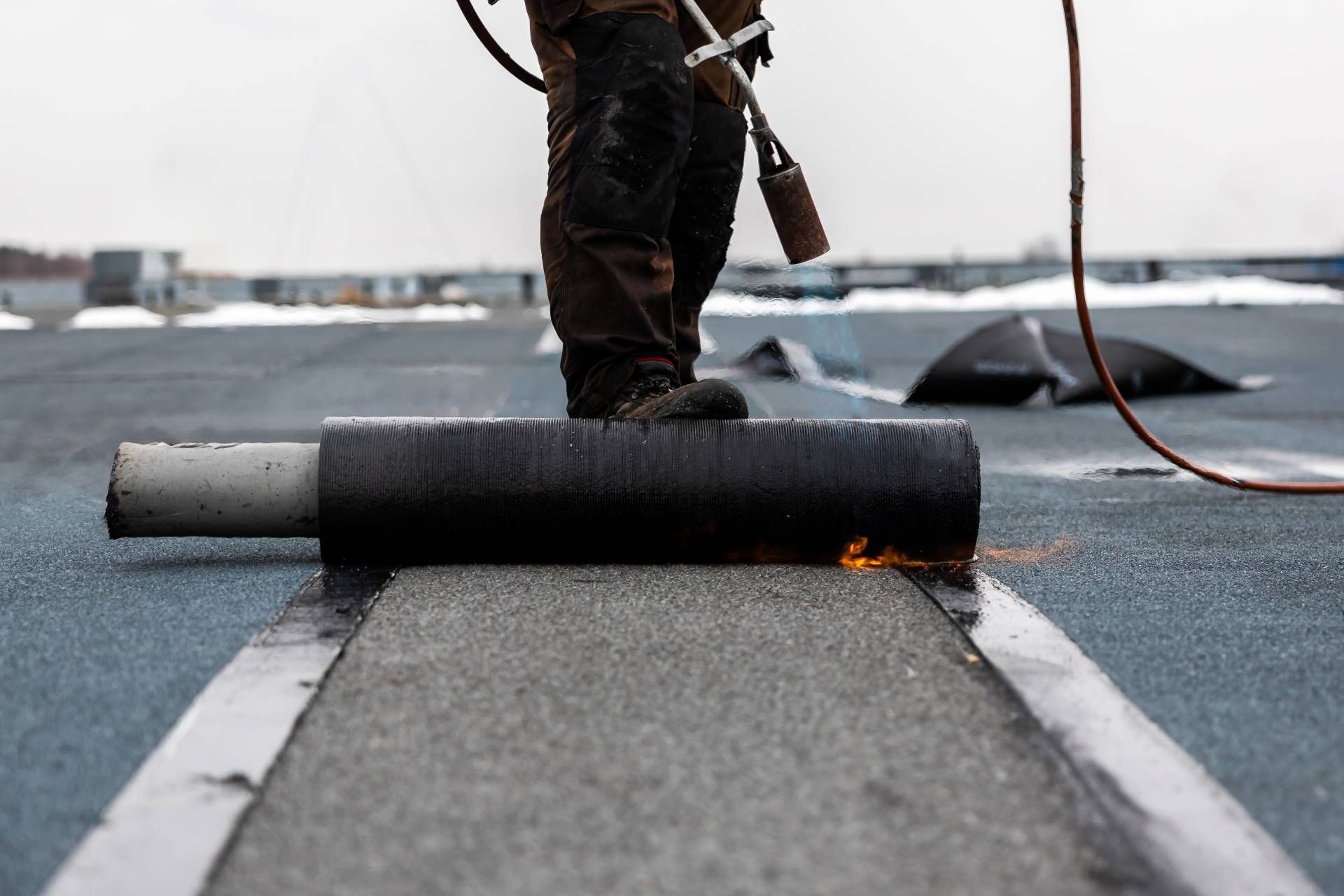
Rubber roofing, also known as EPDM roofing, remains one of the most trusted flat roofing systems for St. Louis, MO properties dealing with heavy rain, hail, and wide seasonal temperature swings. Allen Construction and Tree Service installs and repairs rubber roofing for residential additions, garages, and commercial buildings throughout the St. Louis area, using EPDM materials chosen for their flexibility and long service life. Rubber roofing's ability to expand and contract without cracking makes it a dependable option for Missouri's freeze-thaw winters and humid summers.
Get a free rubber roofing estimate for your St. Louis property.
Rubber Roofing
Rubber Roof Repair
Rubber Roofing Installation
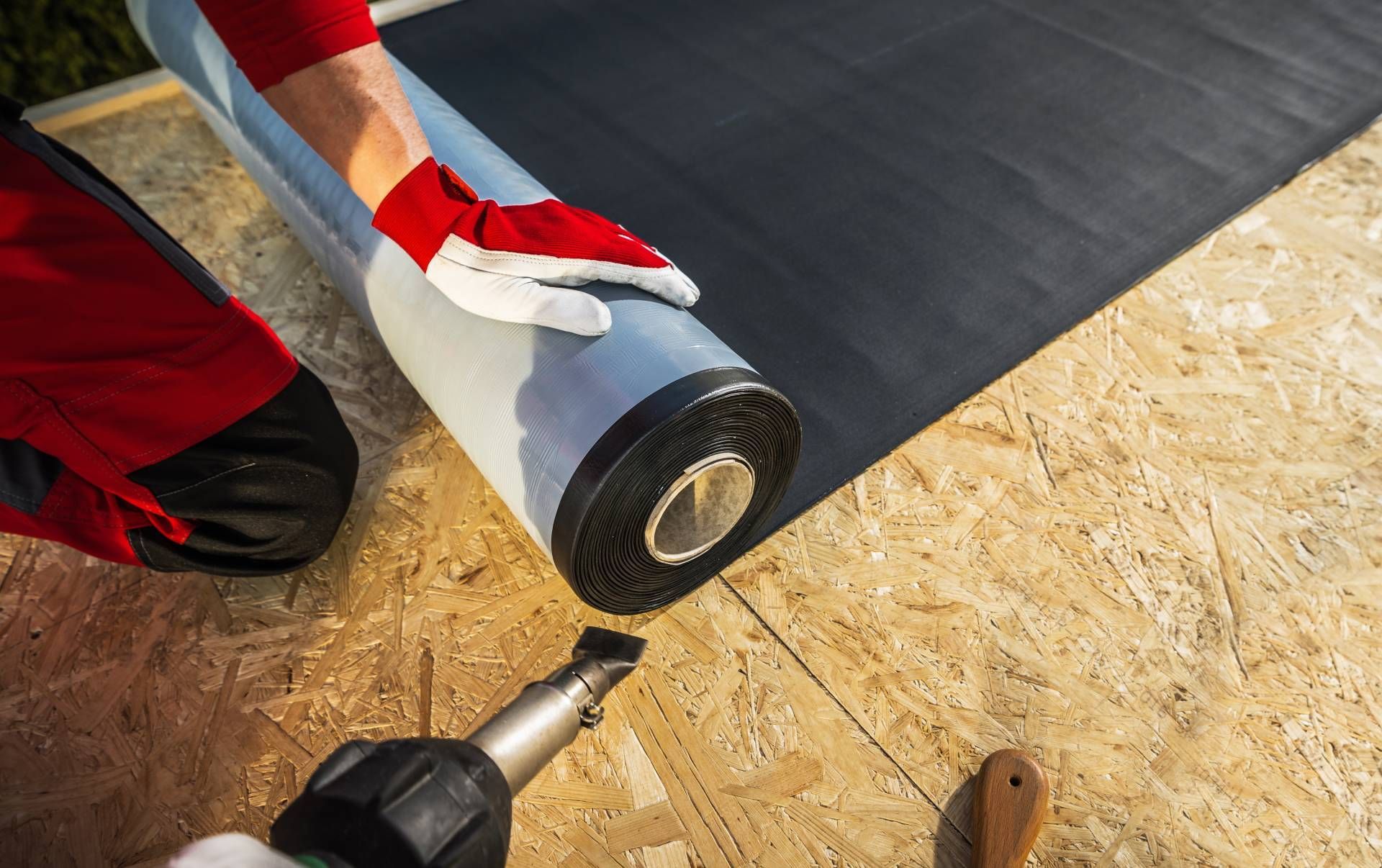
Installing rubber roofing begins with preparing the roof deck and insulation layer to ensure a clean, even surface for the EPDM membrane. Our crews install rubber roofing using fully adhered, mechanically attached, or ballasted methods depending on the building's structure and drainage needs. Seams in rubber roofing are sealed using specialized adhesives or tape designed to create a watertight bond that holds up under St. Louis's temperature fluctuations.
Fully Adhered Rubber Roofing
This rubber roofing method bonds the EPDM membrane directly to the substrate using adhesive, creating a smooth, low-profile surface well-suited to buildings with visible rooftops.
Mechanically Attached Rubber Roofing
Mechanically attached rubber roofing secures the membrane with fasteners and plates, offering a durable and often more economical installation method for larger roof areas.
Rubber Roof Repair
St. Louis's weather patterns, including hail, high winds, and ice accumulation, can cause rubber roofing to develop seam separations, punctures, or shrinkage over time. Allen Construction and Tree Service repairs rubber roofing by resealing seams, patching damaged sections, and addressing pooling water that can accelerate membrane wear. Timely rubber roof repair prevents small issues from turning into costly interior water damage.
Request rubber roof repair service from Allen Construction and Tree Service.
Seam Repair
Seams are the most common failure point in rubber roofing systems. We reseal and reinforce seams to restore a fully watertight membrane.
Puncture and Tear Repair
Falling branches, foot traffic, and equipment installation can puncture rubber roofing. These areas are patched with EPDM-compatible materials to match the existing membrane.
Rubber Roof Replacement
When rubber roofing has reached the end of its typical 25-to-30-year lifespan, or when damage is too widespread to repair cost-effectively, full replacement is the better long-term solution. Our team removes the old rubber roofing membrane, inspects the deck and insulation, and installs new EPDM material designed to perform through decades of St. Louis weather.
Rubber Roofing Maintenance
Routine rubber roofing maintenance helps identify shrinkage, seam wear, and drainage problems before they lead to leaks. Allen Construction and Tree Service offers scheduled inspections to extend the life of your rubber roofing system and catch minor issues early.
Schedule a rubber roofing inspection with Allen Construction and Tree Service.
Rubber Roofing vs. Other Flat Roofing Materials
Rubber roofing is often compared to TPO and PVC membranes when property owners are choosing a flat roofing system. EPDM rubber roofing tends to offer strong flexibility in cold weather, while TPO roofing provides better reflectivity for reducing summer heat.
Rubber Roofing in Cold Climates
Rubber roofing's flexibility allows it to expand and contract through St. Louis's freeze-thaw cycles without cracking, a key advantage over more rigid roofing membranes.
Rubber Roofing Lifespan Considerations
Well-maintained rubber roofing systems commonly last 25 to 30 years, making them a durable long-term investment for flat-roofed buildings.
Rubber Roofing
Frequently Asked Questions
How long does rubber roofing last?
Rubber roofing, or EPDM roofing, typically lasts 25 to 30 years with proper installation and routine maintenance.
What is rubber roofing made of?
Rubber roofing is made from EPDM, a synthetic rubber membrane known for its flexibility and resistance to UV exposure and temperature extremes.
Is rubber roofing good for cold climates like St. Louis?
Yes, rubber roofing performs well in cold climates because EPDM remains flexible through freeze-thaw cycles, reducing the risk of cracking compared to more rigid materials.
How much does rubber roofing installation cost?
Rubber roofing installation costs depend on roof size, attachment method, and insulation requirements, with mechanically attached systems generally costing less than fully adhered options.
What causes rubber roofing to leak?
Rubber roofing leaks most often develop at seams, punctures, or areas of ponding water where the membrane has worn thin over time.
Can rubber roofing be repaired instead of replaced?
Yes, many rubber roofing issues like seam separation or small punctures can be repaired without needing a full roof replacement.
How often should rubber roofing be inspected?
Rubber roofing should be inspected at least once or twice a year, with additional checks after major storms or heavy snowfall.
Is rubber roofing better than TPO roofing?
Rubber roofing offers strong flexibility and a long track record, while TPO roofing provides better reflectivity and heat resistance, so the better choice depends on the building's needs.
Can rubber roofing handle ponding water?
Rubber roofing can tolerate some standing water, but prolonged ponding accelerates wear and increases the likelihood of seam or membrane failure.
What size roofs is rubber roofing best suited for?
Rubber roofing works well on flat and low-slope roofs of all sizes, including residential additions, garages, and commercial buildings.
How are seams sealed in rubber roofing?
Rubber roofing seams are sealed using specialized adhesives or seam tape designed to create a durable, watertight bond between membrane sections.